Buying Guides
How Long Does Custom Scrub Production Take? From Sample to Bulk
Custom scrub production timelines explained: pre-production samples in 7–15 days, bulk production in 25–35 days, plus what affects the schedule and how to plan your order.
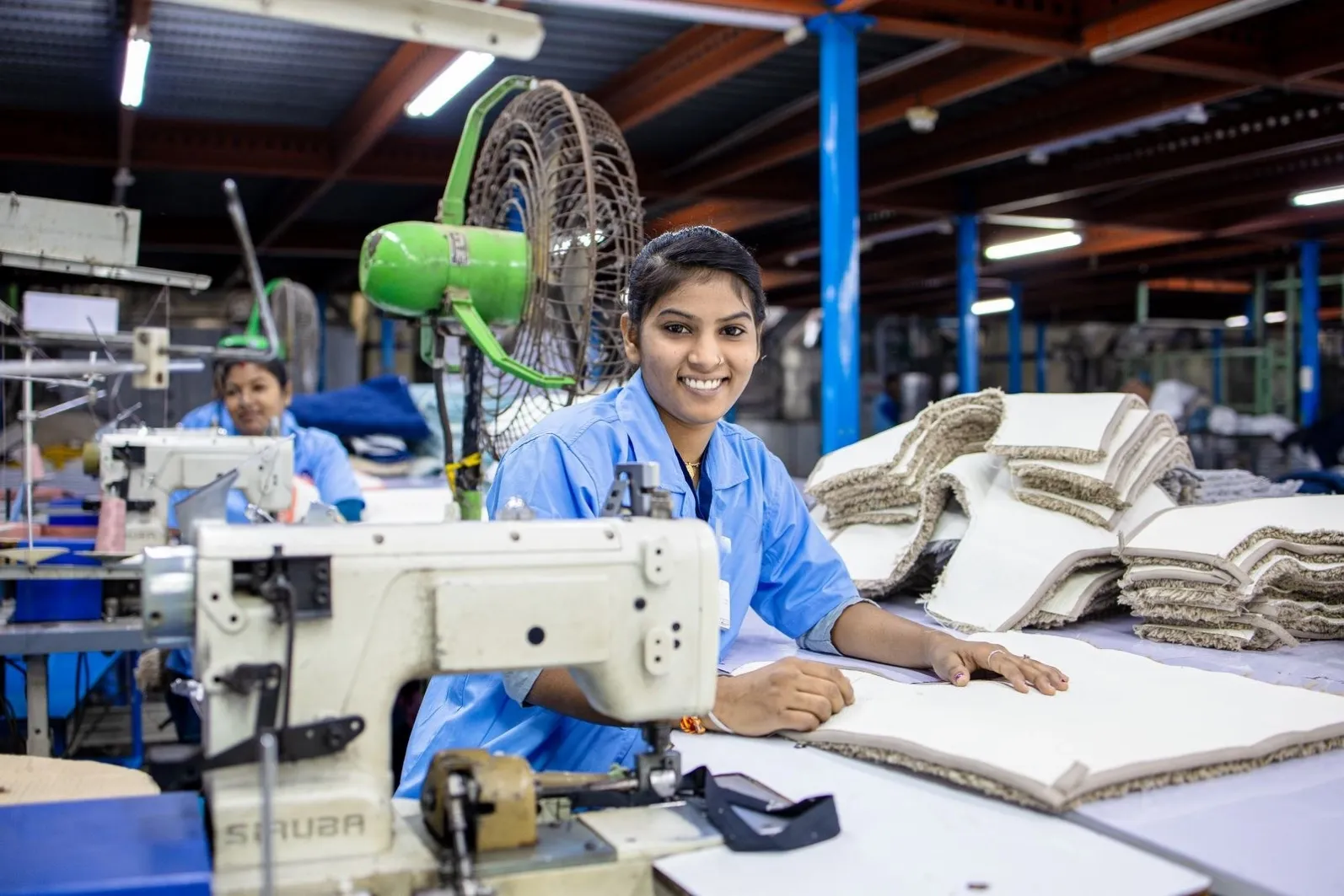
For a standard custom scrub order at Sunward Scrubs, plan on 7–15 days for a pre-production sample and 25–35 days for bulk production once the sample is approved. Every set we make is custom-made to order — there is no stock — so the clock covers fabric preparation, cutting, sewing, inspection and packing for your exact styles, colors and sizes. This guide walks through each stage, what can speed an order up or slow it down, and how to build the timeline into your purchasing plan.
Why Is There No Stock to Ship Immediately?
Custom production exists because buyers need control: their colors, their size run, their logo, their labels. A wholesaler restocking a best-selling style in three department colors, or a private-label brand launching a new line, cannot use generic stock. At our Dongguan factory, orders are cut and sewn per confirmed specification, which is why an honest timeline matters more than a fast promise. The minimum order quantity is 200 pieces per style per color, and production is scheduled once the details are confirmed.
The Timeline at a Glance
Stage | Typical time | What happens |
|---|---|---|
Inquiry and quotation | 1–3 days | Styles, fabric, colors, sizes and quantities confirmed; shipping quoted per order |
Pre-production sample | 7–15 days | Sample made the same way as bulk production; sample shipping fee and a reasonable sample deposit are charged |
Sample approval | Depends on buyer | You check fit, color, fabric and workmanship; revisions are agreed before bulk |
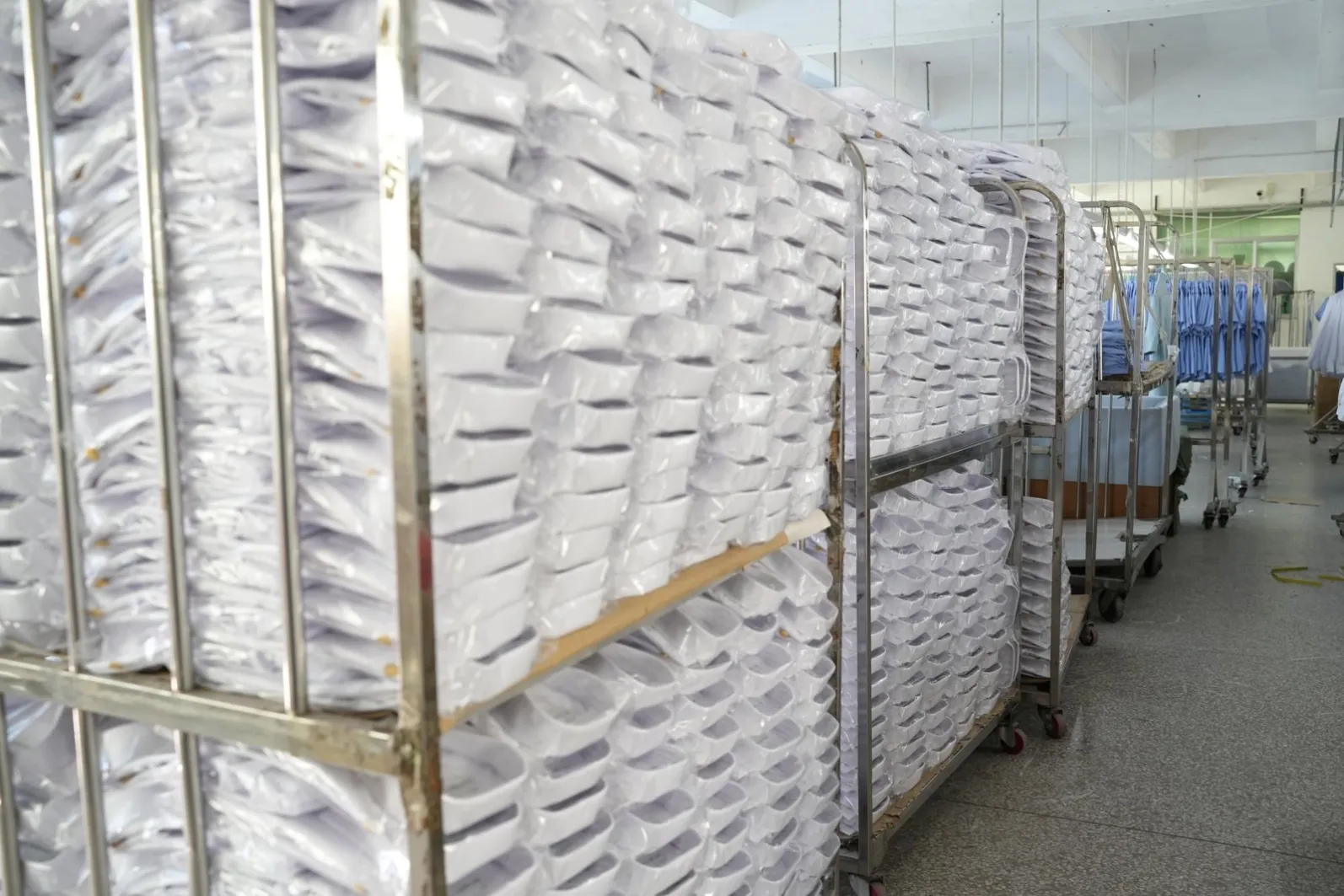
Bulk production | 25–35 days | Fabric inspection, cutting, sewing with inline checks, final inspection, packing |
Shipping | Quoted per order | By sea, by air or by express, depending on volume and urgency |
What Happens During the Sample Stage?
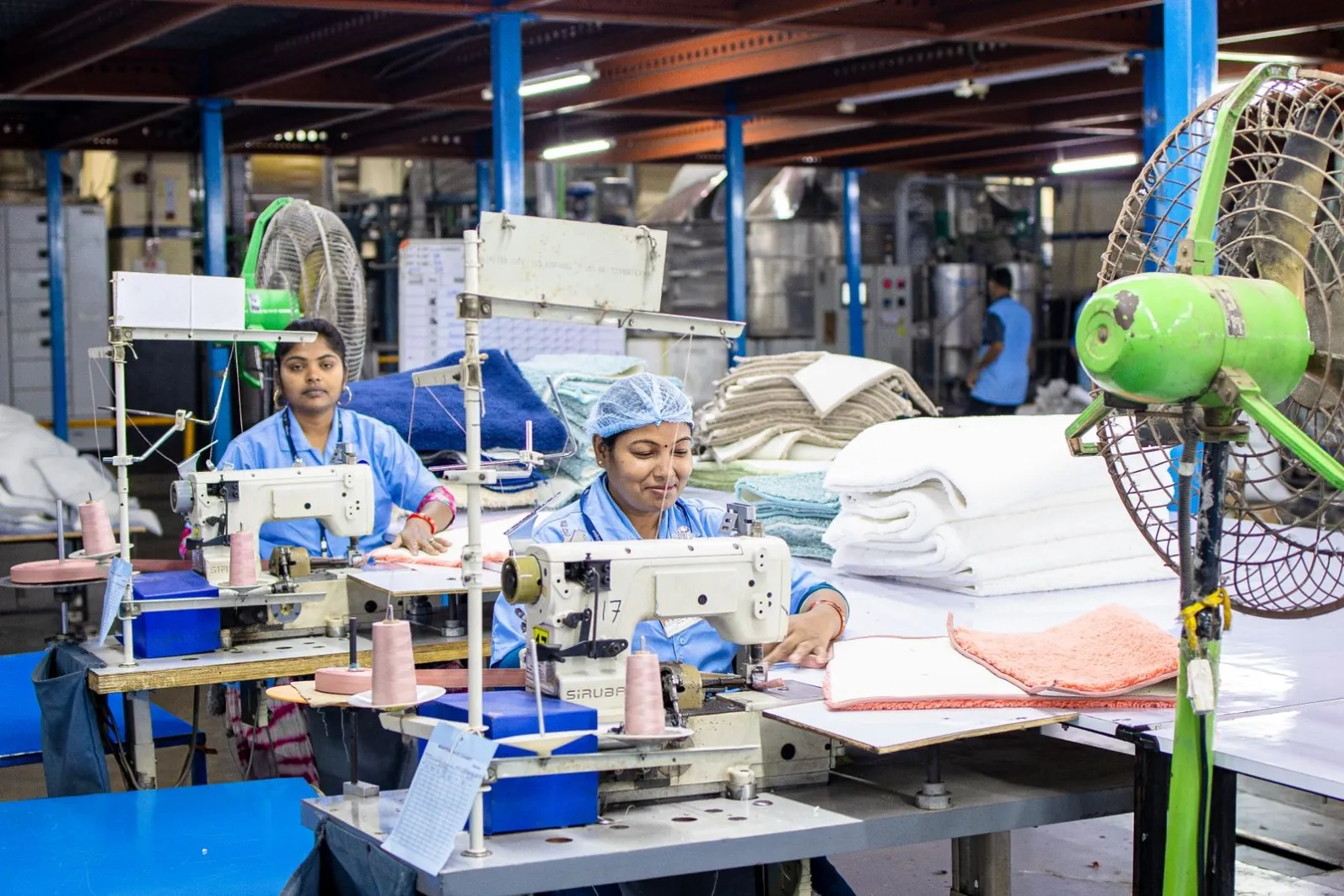
The pre-production sample is a full rehearsal of your order. It is sewn from the same fabric, in the same color, with the same construction as the bulk run — not a simplified mock-up. Use it to verify:
- Fit and measurements against the size chart (our standard range is XS–2XL; the white lab coat runs XS–3XL)
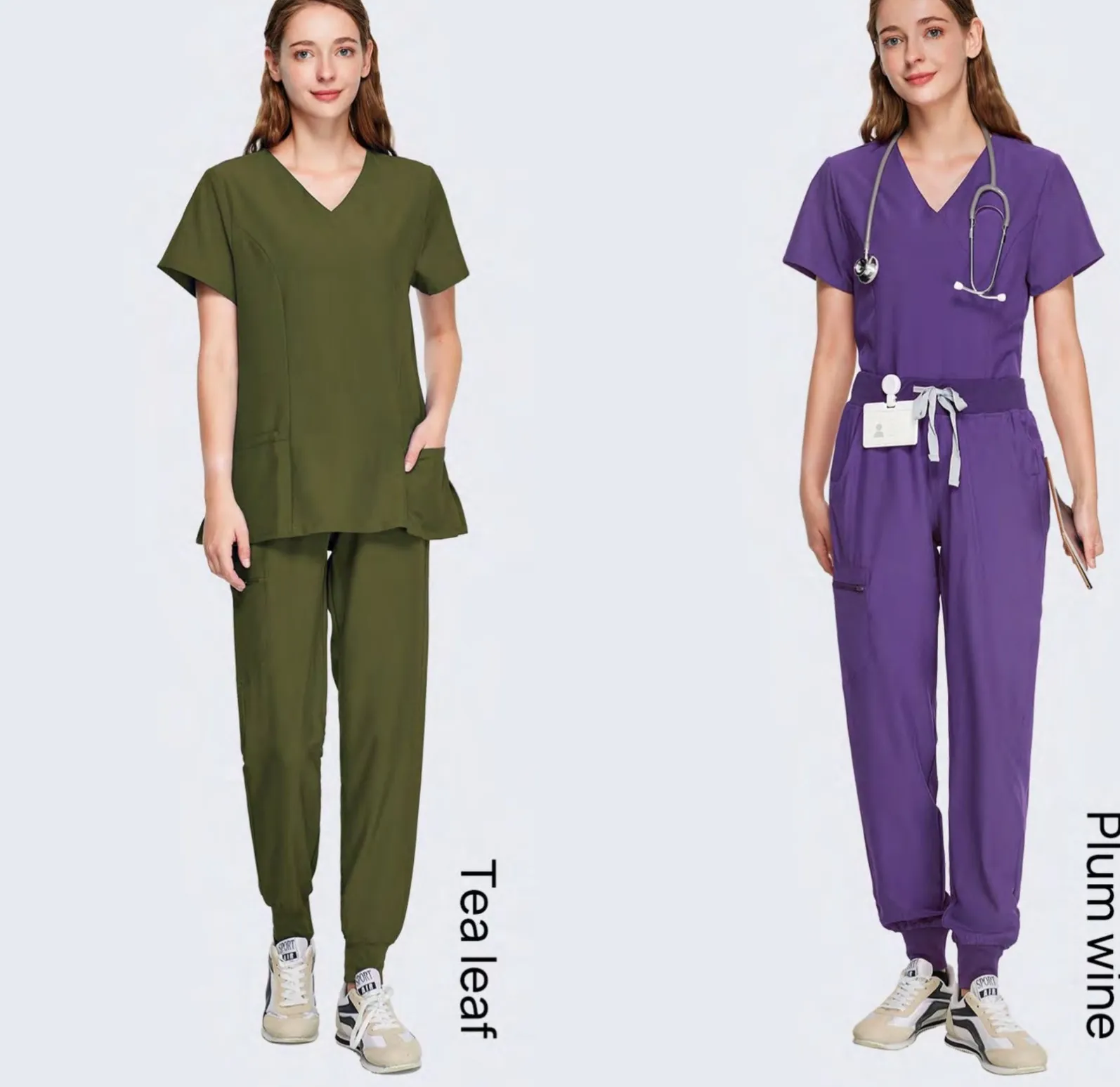
- Color against your approved swatch or Pantone reference — our library holds over 100 colors, with 19 standard colors as the everyday set
- Fabric hand feel and weight — for example Poly Rayon 4-Way Stretch at 200 GSM versus Poly Stretch at 170 GSM
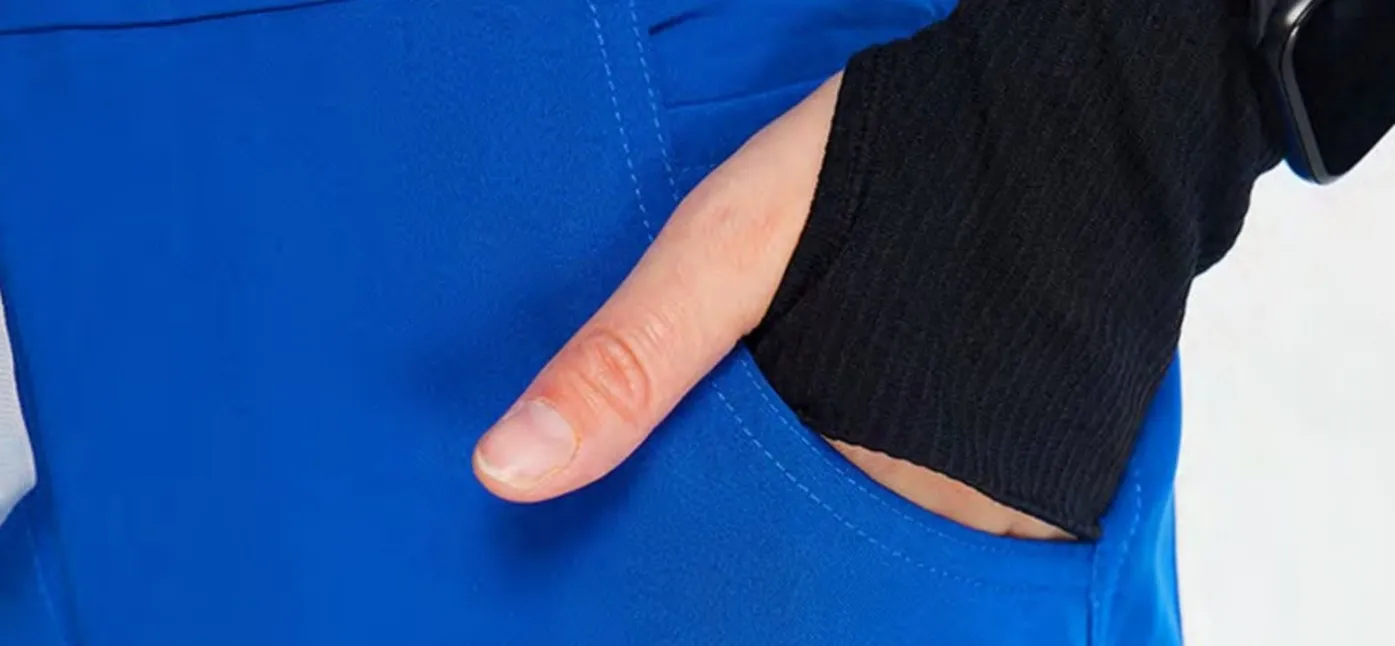
- Details — pocket placement, drawstring or elastic waist, logo embroidery or printing position
Approving the sample carefully is the single most effective way to keep bulk production on schedule, because it removes guesswork before 200+ pieces per color are cut.
What Happens During Bulk Production?
Once the sample is approved, bulk production runs through fixed steps:
- Fabric inspection — incoming fabric is checked before cutting, including color against the approved swatch.
- Cutting — panels are cut to the confirmed patterns and size breakdown.
- Sewing with inline checks — workmanship is checked during sewing, not only at the end, so problems are caught early.
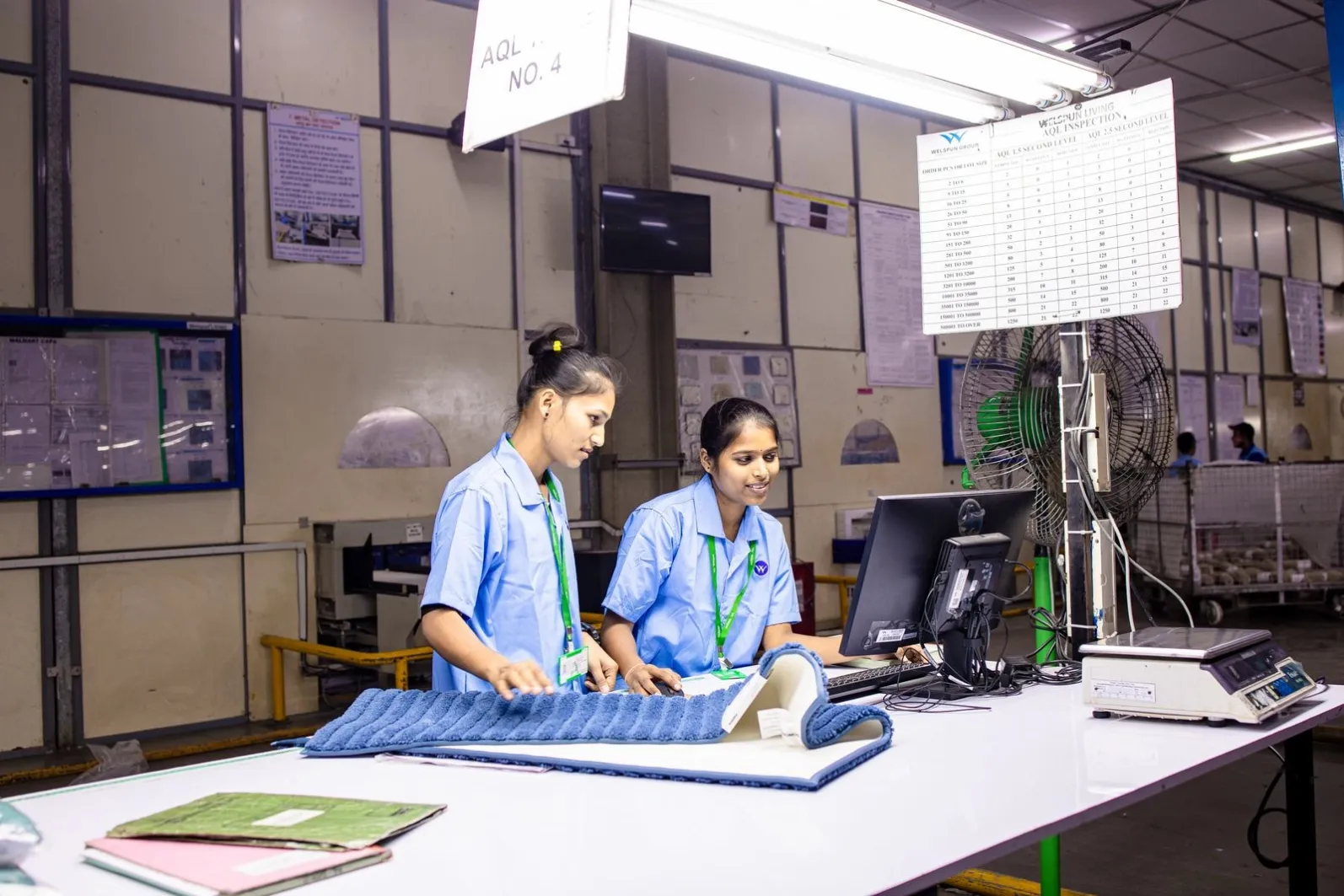
- Final inspection — finished sets are inspected before packing, with measurements checked against the size chart.
- Packing and dispatch — sets are packed to your specification, including private labels, hangtags and custom packaging if ordered.
What Can Make an Order Take Longer?
- Sample revisions. Each change to fit, color or construction adds a sample round. Consolidate your feedback into one list.
- Late detail confirmation. Logo artwork, label and hangtag designs, and packaging specs should be final before bulk starts.
- Very large or multi-style programs. Several styles in several colors are scheduled in sequence; your quotation will reflect the combined volume.
- Shipping choice. Sea freight is economical for large volumes; air and express are faster. Shipping is quoted per order so you can weigh cost against your deadline.
Payment is straightforward — we accept credit card, debit card and bank transfer — and confirming payment terms early keeps your production slot secure.
How Should You Plan Your Order Calendar?
Work backwards from the date your team or your customers need the uniforms. Allow 7–15 days for sampling, your own review time, 25–35 days for bulk production, and then transit time for your chosen shipping method. Buyers who reorder regularly often place the next order when stock of the current run is about halfway through — with a factory producing 50,000+ pieces per month and exporting to 60+ countries since 2008, scheduling ahead is what keeps a program smooth.
Frequently Asked Questions
How long does a pre-production sample take?
A pre-production sample takes 7–15 days. It is made the same way as bulk production, from the same fabric and construction, so what you approve is what the bulk run follows. A sample shipping fee and a reasonable sample deposit are charged.
How long is bulk production for custom scrubs?
Bulk production takes 25–35 days after sample approval, for orders meeting the minimum of 200 pieces per style per color. The run includes fabric inspection, cutting, sewing with inline checks, final inspection and packing.
Can production be rushed?
The schedule depends on the confirmed specification and current production plan. The most reliable way to shorten total time is to approve the sample in one round, finalize logo and packaging artwork early, and choose air or express shipping — quoted per order — when the deadline is tight.
Start Your Order With a Clear Timeline
Tell us your styles, fabric, colors, sizes and target date, and we will confirm a production schedule before you commit. Sunward Scrubs has made custom scrubs in Dongguan, Guangdong since 2008, with 200+ employees behind every order.
Send your inquiry to info@sunwardscrubs.com or message us on WhatsApp at +86 137 9077 7330 — you can also browse styles first at www.sunwardscrubs.com.