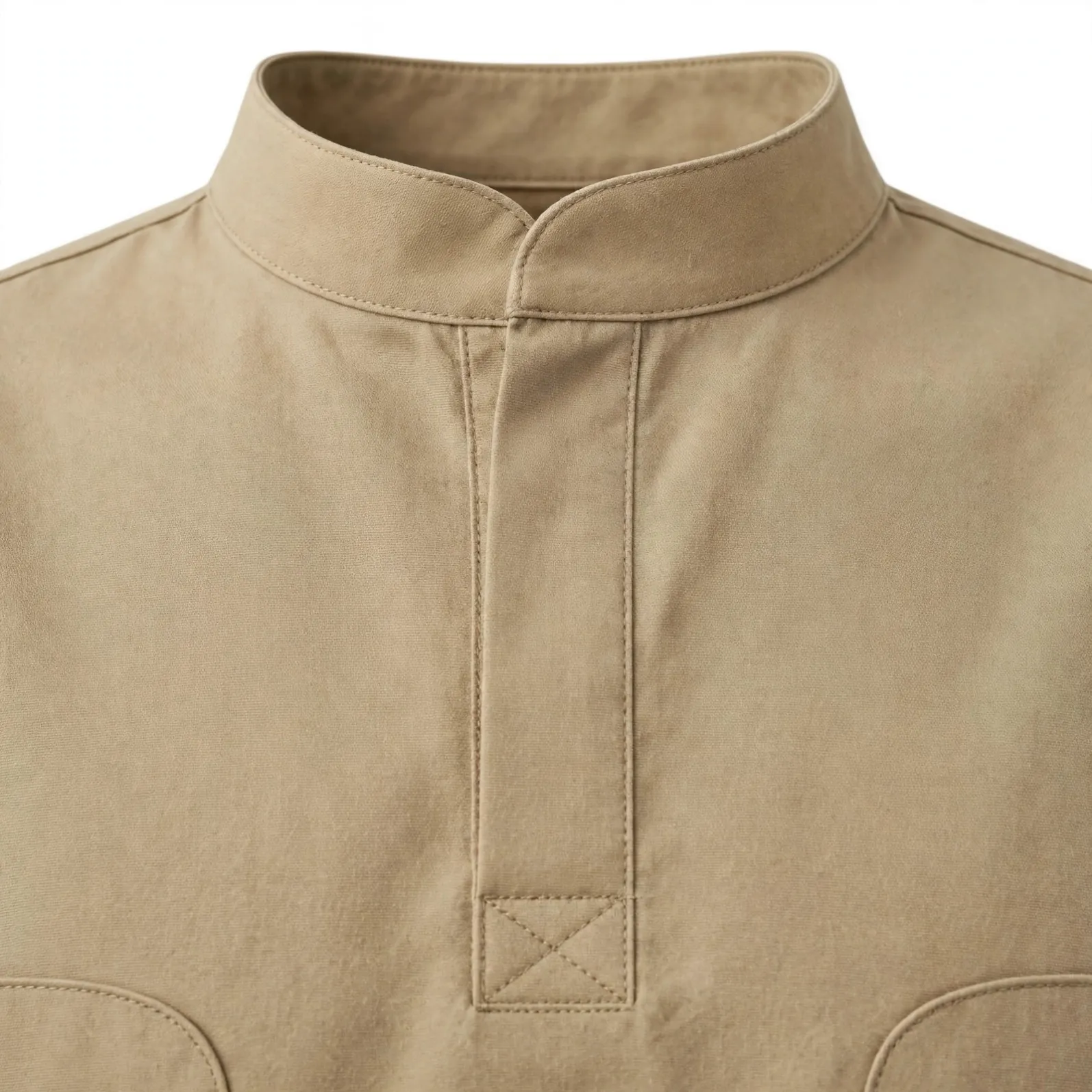
Scrub Color Guide: How Hospitals Choose Colors by Department
A practical scrub color guide: how hospitals assign colors by department, core vs fashion colors, and what ceil blue, royal blue and surgery green mean.
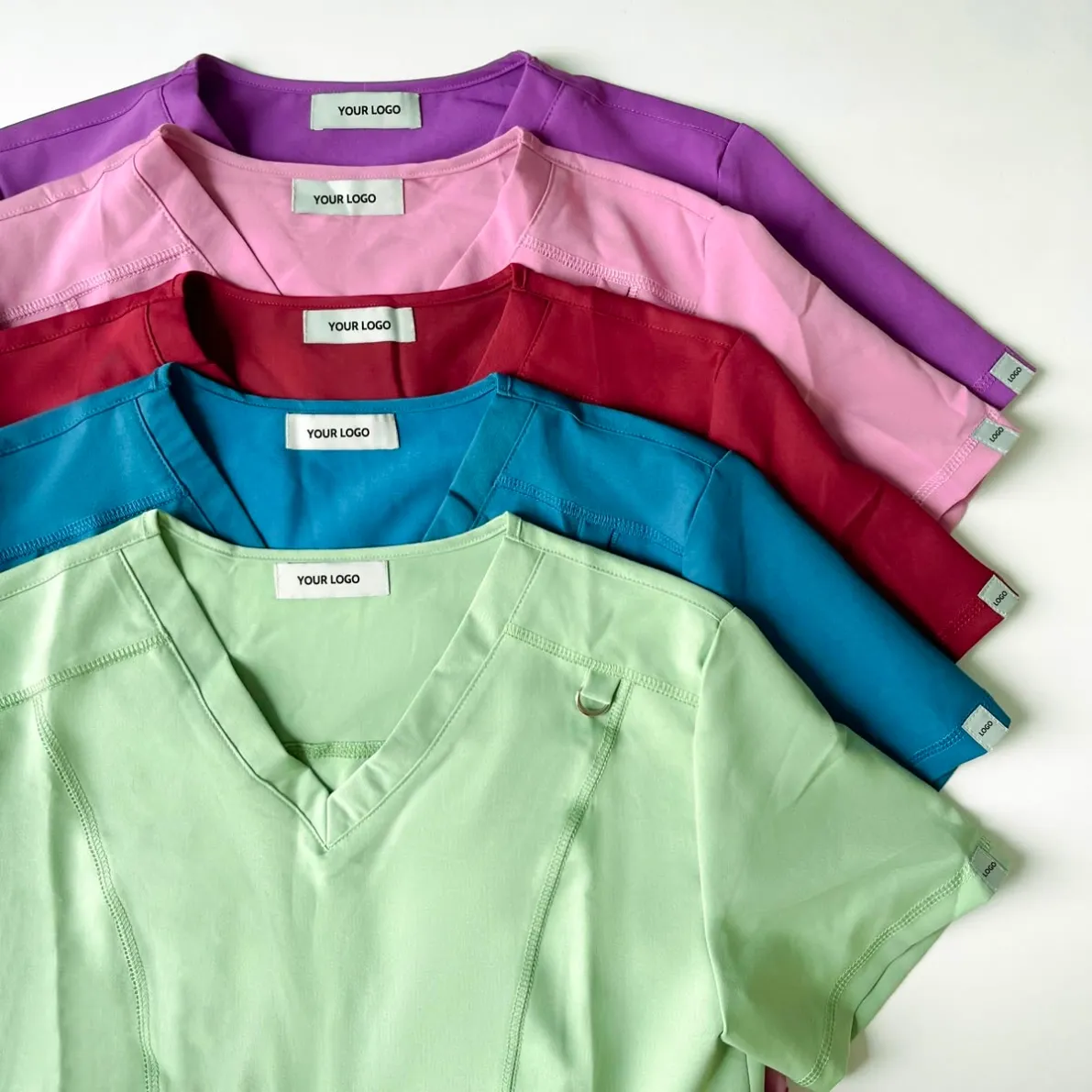
Walk into any well-run hospital and you can read the floor at a glance: who is a nurse, who is a surgeon, who belongs to pediatrics. That instant readability comes from a scrub color code — a deliberate system that assigns specific scrub colors by department. This guide explains how hospitals choose those colors, what the most common colors signal, and how to build a color program that stays practical when you order uniforms in bulk.
Why Hospitals Color-Code Scrubs
Faster identification in busy environments
Color coding lets staff, patients and visitors identify roles and departments instantly, without reading a badge. In an emergency, knowing at a glance which team a person belongs to saves seconds and reduces confusion.
Patient trust and wayfinding
Patients feel more confident when they can recognize who is caring for them. A consistent color system — explained on ward signage — turns the uniform into a communication tool: "the team in navy is your nursing team."
Simpler laundry and inventory
When each department owns a color, sorting after industrial laundry is faster and losses between departments drop. Reordering is simpler too, because every department's color and size run is a known, repeat order.
The Core Colors Most Hospitals Start With
Core colors are the dark, saturated shades that hide stains, survive frequent washing and read as professional. The most widely used are:
- Navy — the most common nursing color worldwide; calm, authoritative and practical.
- Ceil Blue — a soft, dusty blue long associated with nursing and general wards.
- Royal Blue — a brighter, more saturated blue used by many nursing and technical teams.
- Hunter Green — the classic operating-room green.
- Black — popular with dental, veterinary, spa-medical and some private clinics for a sharp, modern look.
- Burgundy — often used for phlebotomy, laboratory or support services.
- Teal and Caribbean — blue-green shades frequently assigned to emergency, ICU or specialized units.
- White — reserved in many facilities for physicians' lab coats rather than scrubs.
Ceil blue vs royal blue scrubs: what is the difference?
Ceil blue is a pale, muted blue with a grey undertone — softer and lighter. Royal blue is vivid and saturated. Hospitals often assign both to different teams (for example, ceil blue for general nursing and royal blue for a specialist unit) precisely because they are easy to tell apart under ward lighting while staying in the same professional blue family.
Surgery green scrubs: the meaning behind the color
Green became the operating-room standard because it sits opposite red on the color wheel: after focusing on the surgical field, green gives surgeons' eyes visual rest and reduces afterimage glare. Green also makes blood stains appear less vivid, which keeps the environment calmer for patients and staff. Hunter Green and deep teal shades carry the same functional logic and are used well beyond the OR.
A Sample Department Color Chart
Every facility sets its own chart, but a typical hospital scrub color chart looks like this:
- Nursing (general wards): Navy or Ceil Blue
- Surgery / OR: Hunter Green
- Emergency: Teal or Caribbean
- Pediatrics: a softer or brighter shade, sometimes a fashion color
- Laboratory / phlebotomy: Burgundy
- Support services: Grey tones such as Melange Grey
- Physicians: white lab coat over scrubs
Use this as a starting framework, then adjust for your building's lighting, your existing signage and any colors already "owned" by a department.
Core Colors vs Fashion Colors
A durable uniform program separates core colors from fashion colors. Core colors — Navy, Royal, Caribbean, Ceil Blue, Black, Burgundy, Hunter Green, Teal — form the permanent backbone of the program. They are the colors you will reorder for years, so they should come from a stable color library with consistent dye standards.
Fashion colors extend the palette for pediatrics, outpatient clinics, dental and beauty-medical settings, or seasonal refreshes. Current fashion shades in our full color library include Twilight, Turmeric, Sun Light, Lavender, Tea Leaf, Lush Verdant, Plum Wine and French Roast, alongside soft tones like Bisque, Pink and Grayed Jade. Every style can be made in over 100 colors — 19 standard colors, and the full library holds 100+ shades with Pantone references if you need a closer brand match — ask us for the swatch book. That means a facility can run its core program and its fashion accents from one supplier and one fabric standard.
One caution: assign fashion colors deliberately. If every department picks a different fashion shade, the identification benefit of color coding disappears. Keep fashion colors to one or two departments, or use them as the program-wide accent for a single clinic brand.
Choosing Colors That Survive the Laundry
Color choice is also a fabric decision. Uniforms are washed constantly, often at high temperatures, so color fastness matters as much as the shade itself. A Poly Stretch fabric (94% polyester / 6% spandex, 170 GSM) offers high color fastness with antibacterial and anti-static performance. A Poly Rayon 4-way stretch fabric (72% polyester / 21% rayon / 7% spandex, 200 GSM) adds a soft brushed finish and water-repellent treatment for a premium hand feel. Where chlorine bleach is part of the wash protocol, a Poly Cotton fabric (65% polyester / 35% cotton) is the hospital-grade option: chlorine-bleach resistant, anti-static, antibacterial, moisture-wicking and breathable. Match the fabric to the laundry protocol first, then pick the department colors within that line.
How to Roll Out a Color Program
- List your departments and headcounts. Decide which teams truly need separate identification.
- Assign core colors first. Give the largest and most public-facing teams the most practical shades.
- Add at most one or two accent colors for pediatrics, outpatient or brand-facing units.
- Approve physical swatches from the color library — screens distort shades, especially blues and greens.
- Freeze the chart in writing so future orders, new hires and laundry sorting all follow the same document.
Frequently Asked Questions
What color scrubs do nurses wear?
Nurses most commonly wear navy or ceil blue, but there is no universal standard — each hospital sets its own chart. Royal blue, teal and burgundy are also frequently assigned to nursing and support teams
Why do surgeons wear green scrubs?
Green contrasts with red on the color wheel, resting surgeons' eyes and reducing glare afterimages during operations. It also makes blood stains look less vivid, keeping the operating environment calmer.
How many colors should a hospital assign?
One color per department that needs visual identification — typically five to eight colors for a mid-size facility. More than that weakens the identification benefit.
Can a clinic order scrubs in a custom brand color?
Yes. Custom colors are available on made-to-order programs, alongside a standard color library — at Sunward Scrubs every style can be made in over 100 colors — 19 standard colors, and the full library holds 100+ shades with Pantone references if you need a closer brand match — ask us for the swatch book. Logo embroidery and private labels are available for brand programs.
Build Your Department Color Program With Us
Sunward Scrubs manufactures custom-made scrub sets to order — no stock — in three fabric lines, sizes XS–2XL (lab coats to 3XL). Every style can be made in over 100 colors — 19 standard colors, and the full library holds 100+ shades with Pantone references if you need a closer brand match — ask us for the swatch book. Send us your department list and we will help you map colors, fabrics and size runs, then prepare your quotation.
Send your inquiry to info@sunwardscrubs.com — or use the inquiry form on any product page at sunwardscrubs.com.