Scrub Fabric Weight Explained: What GSM Means for Durability and Comfort
GSM in scrub fabric explained — what fabric weight means for durability, opacity, comfort and shipping cost, and how to choose between 170 GSM and 200 GSM scrubs.
Scrub Fabric Weight Explained: What GSM Means for Durability and Comfort
GSM stands for grams per square meter — the weight of one square meter of fabric. It is the standard way to describe how heavy or light a scrub fabric is: a 170 GSM fabric is noticeably lighter than a 200 GSM fabric, even when both are made from similar fibers. GSM influences how a uniform drapes, how opaque it is, how warm it feels, and how much an export order weighs, so it belongs in every scrub specification alongside fiber composition.
This guide explains what GSM does and does not tell you, and how to choose the right weight for your program.
What GSM Affects — and What It Does Not
| GSM influences | GSM does not decide alone |
|---|---|
| Drape and how substantial the garment feels | Durability — weave and fiber quality matter as much |
| Opacity, especially in light colors like white | Breathability — fiber and finish play a large role |
| Warmth in wear | Color fastness |
| Fabric cost and shipping weight per garment | Softness — rayon content and finishing change hand feel |
A common buying mistake is to treat GSM as a quality score. It is not. A well-made 170 GSM fabric can outlast a poorly made 200 GSM fabric, because yarn quality, weave density, and finishing all contribute to how a garment survives washing and wear.
The Working Range for Scrub Fabrics
Most scrub fabrics fall between about 150 and 230 GSM. Below that range, fabrics can feel thin and lose opacity in light colors; above it, garments start to feel heavy for all-day clinical wear. Within the range, the choice is about climate, role, and preference:
- Lighter weights (around 170 GSM) — cooler and quicker to dry; suited to warm climates, high-movement roles, and modern athletic-style sets. Lighter garments also reduce per-piece shipping weight on large export orders.
- Mid weights (around 200 GSM) — a more substantial drape and opacity, with a premium feel; the most versatile choice for year-round team uniforms.
GSM in Our Fabrics
| Fabric | Composition | Weight | Character |
|---|---|---|---|
| Poly Rayon 4-Way Stretch | 72% polyester / 21% rayon / 7% spandex | 200 GSM | Soft, brushed, fluid drape; water-repellent, breathable, anti-wrinkle |
| Poly Stretch | 94% polyester / 6% spandex | 170 GSM | Lightweight, smooth, athletic feel |
| Poly Cotton | 65% polyester / 35% cotton | Mid-weight hospital twill | Crisp and structured; chlorine-bleach resistant, anti-static, antibacterial |
The pairing is deliberate. The Poly Rayon blend carries more weight because its rayon content and brushed finish are designed for drape and a premium hand feel. Poly Stretch is engineered light, for movement and warm environments. Poly Cotton sits in the traditional hospital range, where structure and bleach resistance matter more than stretch.
How GSM Interacts With Color
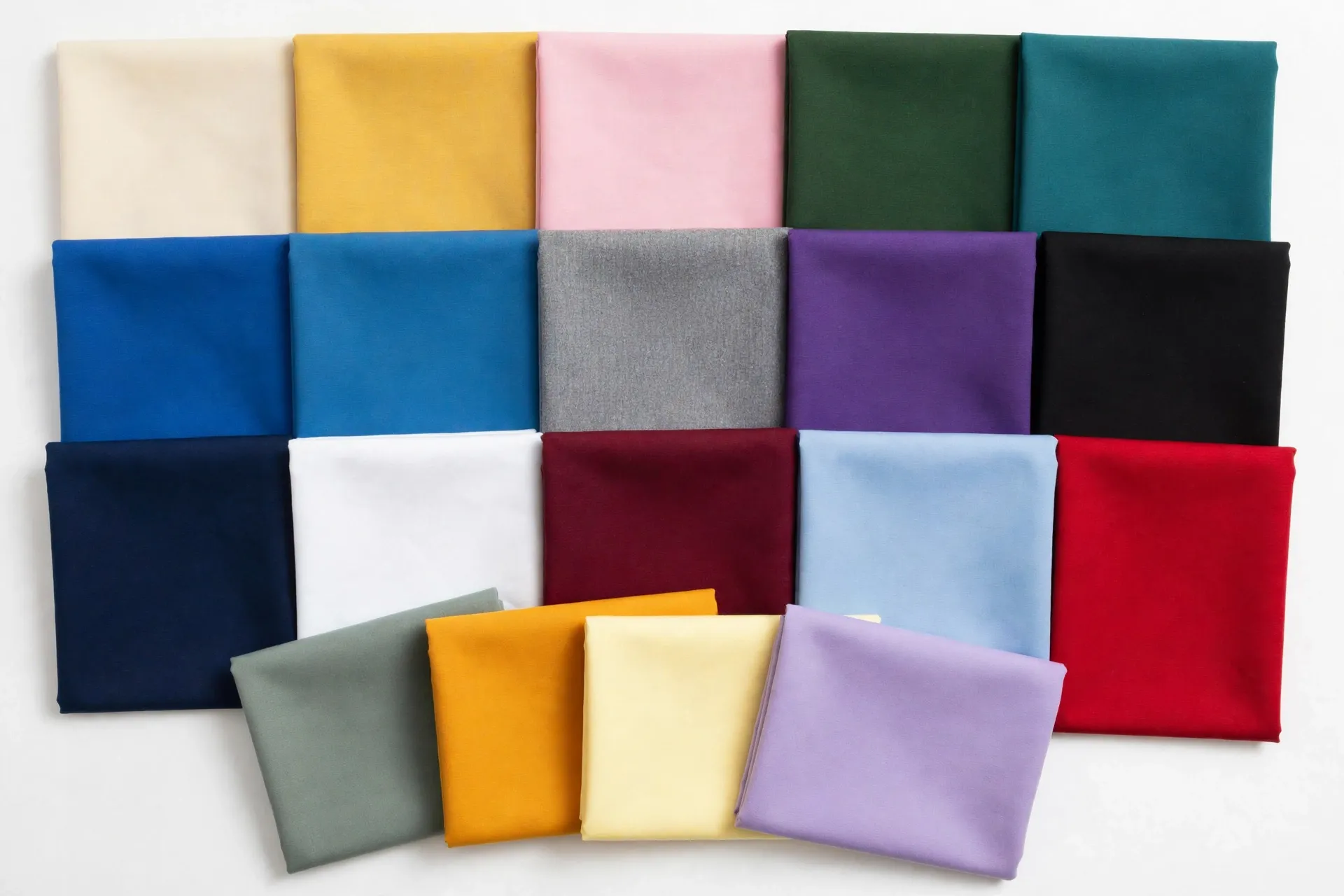
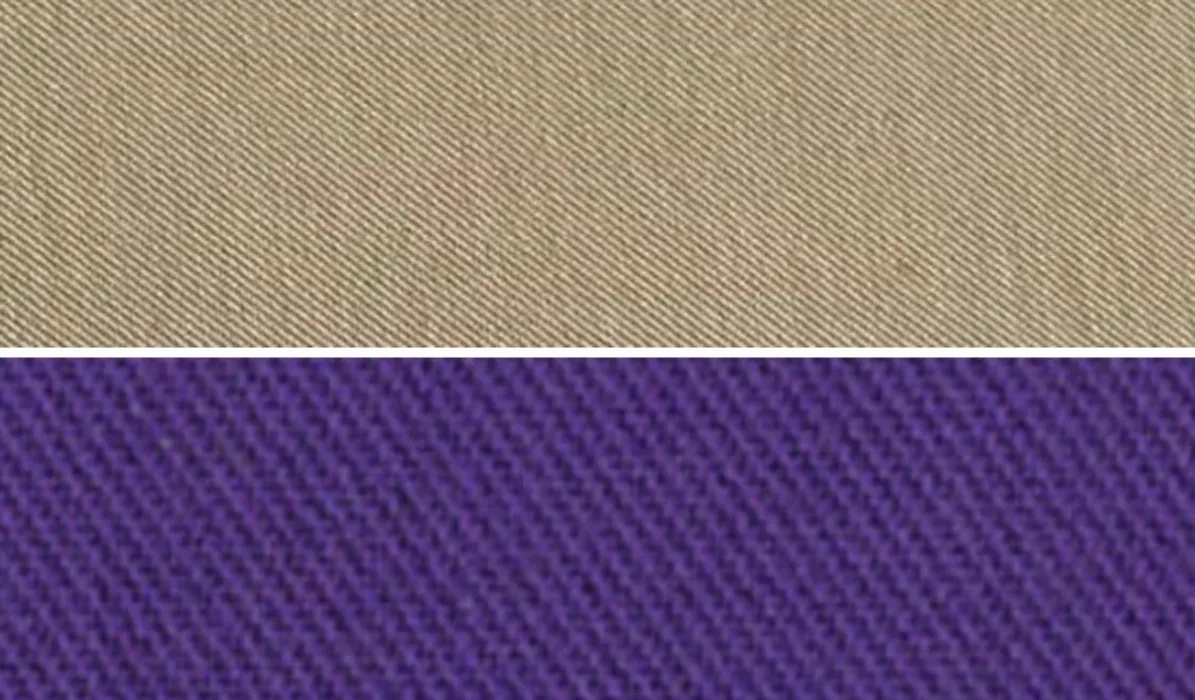
Weight matters most in light colors. White and pale shades show undergarments more easily, so opacity becomes a real specification — one reason lab coats and white sets are usually made in a substantial, tightly woven fabric. Dark colors such as navy, black, and burgundy are far more forgiving, and a lighter GSM can be used without an opacity problem. If your program includes white tops, raise the GSM question early and check it on the sample, worn, under your facility's lighting.
How to Choose the Right Weight for Your Order
- Climate first. Hot facility or warm country? Start at the lighter end. Air-conditioned hospitals and cooler climates carry 200 GSM comfortably year-round.
- Color second. White and pale colors push you toward the more substantial option for opacity.
- Role third. High-movement roles (emergency, veterinary, physiotherapy) often prefer lighter fabric; ward and outpatient roles suit mid-weight drape.
- Freight last. On large export orders, 30 GSM difference per set adds up across thousands of pieces — worth calculating, never worth choosing on its own.
- Always confirm on a sample. GSM is a number; hand feel is the reality. Approve weight on a pre-production sample in the actual fabric and color.
Frequently Asked Questions
What is a good GSM for medical scrubs?
Most quality scrub fabrics sit between about 170 and 200 GSM. Around 200 GSM gives a substantial, opaque, premium-feeling uniform for year-round wear; around 170 GSM gives a lighter, cooler garment for warm climates and active roles. Both are standard, correct choices — the use case decides.
Does higher GSM mean better quality?
No. GSM measures weight, not quality. Durability depends on yarn and weave quality, fiber composition, and finishing as much as on weight. A higher GSM mainly buys drape, opacity, and a more substantial feel — valuable, but different from lasting longer.
Why do two fabrics with the same GSM feel different?
Because GSM says nothing about fiber or finish. A 200 GSM fabric with rayon content and a brushed finish feels soft and fluid, while a crisp poly cotton twill of similar weight feels structured. This is why specifications should always state composition and GSM together — for example, 72% polyester / 21% rayon / 7% spandex at 200 GSM.
Order Scrubs at the Right Weight, Made to Order
Sunward Scrubs manufactures scrubs to order in Dongguan, Guangdong, China — making uniforms since 2008, in over 100 colors and sizes XS–2XL, with logo embroidery or printing, woven labels, and custom packaging. MOQ is 200 pieces per style per color, pre-production samples take 7–15 days, and bulk production takes 25–35 days. Tell us your climate, colors, and roles, and we will recommend the fabric weight to match — info@sunwardscrubs.com, WhatsApp +86 137 9077 7330, www.sunwardscrubs.com.